Neighbors in the Know: Noticeboards, Mutual Aid, and Local Solutions

Step into the living web of Neighborhood Knowledge Networks, where community noticeboards, mutual aid crews, and everyday problem‑solvers connect people, places, and practical know‑how. Today we explore Neighborhood Knowledge Networks: community noticeboards, mutual aid, and local problem‑solving, showing how small, shared actions create big waves of resilience, faster help during surprises, and warmer daily connections that make every street feel more welcoming and capable.

The Quiet Power of the Pinboard

A corkboard by a cafe door can move a neighborhood. Between flyers for borrowed drills, babysitting swaps, and a scribbled map to a lost terrier’s favorite route, a noticeboard quietly turns passersby into participants. Add consistent caretaking, simple rules, and visible success stories, and the humble board becomes a persistent invitation to help, learn, and share, weaving invisible threads of trust that make collective responses quicker, kinder, and more reliable.

Mutual Aid that Moves Fast

{{SECTION_SUBTITLE}}

From Simple Requests to Reliable Systems
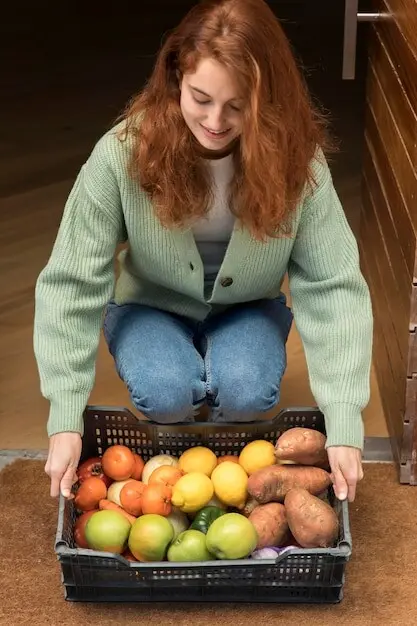
A neighbor asks for diapers. Three people respond. Someone tracks sizes and delivery windows. After a month, patterns appear, so the group creates bundles, pickup schedules, and a text bot for quick requests. Needs shrink, waste drops, and feelings of isolation fade. The secret is building systems around real, repeated moments, not abstract plans. Start tiny, document what worked, then make it slightly easier the next time, until the response feels almost automatic and beautifully human.

Trust, Safety, and Careful Boundaries

Mutual aid thrives when trust is practical. Volunteers attend brief orientations covering privacy, cultural humility, and de‑escalation. Two‑person teams handle deliveries, keeping both recipients and helpers comfortable. Cash handling uses transparent ledgers and receipts visible to all contributors. Disputes follow a respectful, time‑limited process. Boundaries protect capacity: set hours, clear channels, and rest periods stop burnout before it starts, maintaining that crucial balance between generous hearts and sustainable, long‑term neighborhood reliability.

Solving Street‑Level Problems Together

Potholes, dark bus stops, unsafe crossings, and littered alleys disappear faster when neighbors coordinate. Knowledge networks map problems, pair them with skills, and push toward small, testable fixes. A painted curb, borrowed cones, or a one‑day cleanup creates undeniable evidence. That proof persuades landlords, departments, and councils. Start with visible wins, document outcomes with photos and brief notes, and invite officials to celebrate. Collaboration grows easier when the neighborhood demonstrates workable, community‑led prototypes first.

Knowledge Stewardship and Inclusion

Translation Circles and Multilingual Warmth

A rotating circle translates key notices into the languages most heard at local markets and bus stops. Plain words replace jargon, photos support clarity, and audio versions help non‑readers. QR codes link to voice notes from trusted organizers. The result is not just comprehension; it is welcome. When someone’s first language appears on the board, participation rises, questions surface earlier, and cross‑cultural friendships form, turning linguistic diversity into a shared strength rather than a barrier.

Accessibility from the Start, Not as an Add‑On

Large fonts, high contrast, braille overlays for key headings, and reachable mounting heights say “you matter” without speeches. Online mirrors use proper alt text, keyboard navigation, and captions. Meeting spots include seating, shade, and quiet corners. Door‑to‑door flyers reach those offline. These thoughtful defaults reduce friction everywhere else, because when the board is easy for people with diverse needs, it becomes easier for hurried parents, tired workers, and anyone who only has two free minutes.

Data Minimalism, Consent, and Right‑Sized Records

Collect less, protect more. Only gather details needed to fulfill a request or coordinate a response. Store contact info briefly, then delete safely. Share outcomes in aggregate, not names. If photos are taken, consent is documented and revocable. Clear retention timelines and simple opt‑out paths build confidence. Paradoxically, tighter rules make generosity grow, because people feel safe contributing stories, skills, and resources when they know their dignity travels with the information they offer.

Technology that Amplifies, Not Replaces

Tools should fit people, not the other way around. The best setups combine simple boards, group texts, open‑source forms, and low‑data apps that work on old phones. When storms knock out power, paper lists and in‑person check‑ins carry the load. When calm returns, digital archives help learn. Every tool is judged by how it widens participation, speeds coordination, and protects privacy, never by trendiness, price, or brand. Elegance equals reliability under ordinary and stressful conditions.

Measuring Impact with Heart and Rigor

Success is felt and counted. Track repairs completed, hours shared, and requests fulfilled, but also listen for quieter outcomes: new friendships, confidence after a first public ask, and calmer mornings for a parent who now carpools. Publish bite‑sized reports at the board and online. Invite questions. Share lessons from misses without shame. When data, stories, and reflection sit together, the neighborhood sees its own power clearly and naturally invests in what works next.

01

Neighbor Narratives that Teach and Persuade

Short, first‑person notes—“I asked for a ramp and five people showed up”—do more than impress. They teach how the system operates, lower the fear of asking, and convince skeptics that generosity is normal here. Rotate voices intentionally so many perspectives appear. Pair stories with a tiny “how we did it” box, making replication easy. These narratives are the heartbeat of the network, reminding everyone that impact is personal before it is statistical.

02

Lightweight Metrics that Matter Daily

Skip vanity counts. Track cycle time from ask to resolution, repeat participation across months, and the diversity of helpers per task. Include equity checks: whose requests lag and why. Visualize results on the board with simple charts and color dots people can understand at a glance. When metrics are human‑scale and actionable, volunteers use them instinctively to improve, rather than file them away as reports nobody reads or remembers by next season.

03

Feedback Loops that Keep Getting Better

A quarterly open house reviews wins and roadblocks over cookies, not spreadsheets. Sticky‑note walls capture ideas; a facilitator clusters patterns; working groups form on the spot. Online forms and sidewalk interviews catch quieter opinions. Agreed changes are posted within a week so momentum is visible. This reliable rhythm, light yet serious, ensures the network learns in public, honors many voices, and keeps alignment without strangling the spontaneity that makes neighbor power delightful.

Getting Started This Week

Your First Seventy‑Two Hours

Day one: assemble materials, post clear instructions, and seed the board with three genuine offers. Day two: knock on ten doors, introduce the board, and gather two needs. Day three: match at least one request and celebrate it with a small note. Share updates online and on paper. This quick win signals seriousness, sets expectations, and attracts the next wave of helpers who prefer momentum over long explanations or perfect, committee‑approved plans.

Finding and Supporting Caretakers

Caretakers keep the board alive by pruning clutter, sparking conversations, and noticing gaps. Choose friendly listeners with steady schedules, then back them with supplies, a small stipend if possible, and clear boundaries. Pair every experienced steward with a learner. Publish a calendar so nobody feels alone. Encourage cheerful assertiveness: removing outdated notes is kindness, not control. When caretakers are appreciated and resourced, the network reliably grows past personalities into a stable neighborhood institution.

Celebrations That Attract New Helpers

Joy is recruitment. Host tiny rituals: a monthly “fix‑it” toast, a photo collage of solved problems, a chalk banner listing shared hours. Invite newcomers to introduce themselves with one skill and one curiosity. Thank people by name—with consent—and rotate spotlights to prevent favorites. Pair celebrations with sign‑up sheets for next steps. These gentle, consistent moments turn spectators into contributors, proving that community care is not grueling charity but satisfying, repeatable collaboration among equals.
Pentokarodavomirasentokento
Privacy Overview

This website uses cookies so that we can provide you with the best user experience possible. Cookie information is stored in your browser and performs functions such as recognising you when you return to our website and helping our team to understand which sections of the website you find most interesting and useful.